
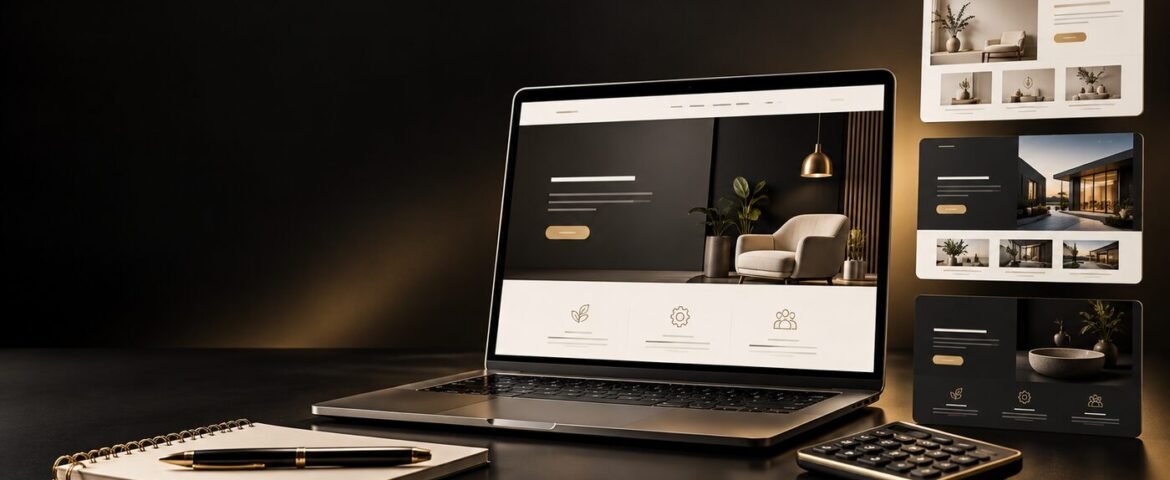
One of the first questions business owners ask before starting a website project is simple: how much does a small business website cost in 2026? The honest answer is that there is no single fixed price. A five-page brochure site, a conversion-focused service website and an online shop may all be called a “business website”, but the strategy, design, technology and workload behind them are very different.
As a practical global guide, a small business may spend anywhere from $500 to $15,000+ (approximately PKR 139,000 to PKR 4.16 million+). The right budget depends on what the website needs to achieve, not simply how many pages it contains. This guide explains the main pricing levels, the factors that change the quote and how to invest without paying for features you do not need.
Small Business Website Cost at a Glance
| Website type | Typical budget (USD) | Approximate budget (PKR) | Best suited to |
|---|---|---|---|
| DIY or basic template site | $100–$500 | PKR 28,000–139,000 | Testing a new idea or creating a temporary online presence |
| Professional small business website | $800–$3,000 | PKR 222,000–831,000 | Service businesses that need a credible, polished website |
| Custom lead-generation website | $3,000–$8,000 | PKR 831,000–2.22 million | Established businesses focused on enquiries and growth |
| E-commerce or advanced website | $5,000–$15,000+ | PKR 1.39–4.16 million+ | Online stores, memberships and feature-rich projects |
A low price is not automatically good value, and a high price does not automatically guarantee results. What matters is whether the project includes the thinking, content, performance and support your business actually needs.
What Determines the Cost of a Small Business Website?

1. Strategy and project planning
A professional project begins before the first page is designed. Your designer may need to understand your audience, competitors, services, customer journey and primary conversion goal. This planning determines the sitemap, page priorities and calls to action. A simple site with a clear brief needs less discovery than a business repositioning itself for a new market.
2. Template-based versus custom design
A carefully adapted template can be efficient for a limited budget. Custom design costs more because the layout, user journey and visual system are created around the business rather than fitted into a ready-made structure. The difference is not only appearance: thoughtful professional website design helps visitors understand the offer, trust the brand and know what to do next.
3. Number and complexity of pages
Page count matters, but unique page layouts matter more. Ten service pages built from one reusable structure require less design work than five pages with completely different layouts, interactive elements and content needs. Common small business pages include Home, About, Services, individual service pages, Portfolio or Case Studies, Blog and Contact.
If you are deciding what your first site must contain, our guide to the essential features every business website needs provides a useful starting point.
4. Copywriting and content preparation
A website cannot convert visitors with design alone. Clear headlines, persuasive service descriptions, proof points and calls to action require planning and writing. Supplying polished copy can reduce the quote; asking the agency to research, structure and write every page adds time but usually produces a more consistent result. Businesses that need help can combine design with professional website copywriting.
5. Branding and visual assets
If your logo, colour palette, typography and image style are already established, the website designer has a clear foundation. When they are inconsistent or missing, brand development becomes a separate part of the project. Investing in logo design and brand graphics before or alongside the website can prevent a polished site from being weakened by mismatched visuals.
6. Features and integrations
Standard contact forms are relatively straightforward. Booking systems, online payments, customer portals, product filters, memberships, multilingual content, CRM connections and email automations require more setup, testing and ongoing care. Each feature should support a genuine business need; adding technology “just in case” increases both the initial cost and future maintenance.
7. SEO, speed and mobile optimisation
Basic on-page SEO should not be an afterthought. A well-built website needs logical headings, readable URLs, metadata, image alt text, responsive layouts and sensible performance optimisation. More competitive projects may also require keyword research, landing pages, schema, content planning and ongoing digital marketing support. Use our SEO-friendly website design checklist to see what should be considered during the build.
One-Off Website Costs and Ongoing Costs
The design and build quote is only one part of ownership. A realistic budget should separate setup costs from recurring expenses.
- Domain: usually renewed annually.
- Hosting: shared, managed or cloud hosting depending on traffic and performance needs.
- Premium software: themes, plugins, booking systems or specialist tools may renew each year.
- Maintenance: updates, backups, security monitoring and technical support.
- Content and SEO: new articles, service pages and optimisation that help the site keep growing.
Ask every provider what is included for the first year, which subscriptions belong to you and what happens after launch. A cheaper quotation can become expensive when essential items are excluded.
How to Set the Right Website Budget
Start with the business goal
Decide what success looks like. Do you need qualified enquiries, bookings, online sales, credibility for referrals or a stronger portfolio? A website designed around one primary goal is easier to scope and measure than a long list of unrelated features.
Prioritise launch essentials
Separate “must have now” from “useful later”. You might launch with the core service pages, an enquiry form and analytics, then add a resource library, booking system or multilingual section after the site begins generating value.
Request a detailed scope
A useful proposal should explain the number of pages or templates, design process, revisions, content responsibilities, mobile testing, SEO setup, launch support, ownership and ongoing fees. Compare deliverables rather than comparing only the final number.
Common Ways Businesses Waste Their Website Budget
- Choosing the cheapest quote without checking what is excluded.
- Paying for complex features before confirming customers need them.
- Starting design before the brand and content direction are clear.
- Using generic copy that does not explain why the business is different.
- Ignoring mobile usability, accessibility, speed or basic SEO.
- Launching without a plan for updates, backups and performance checks.
The goal is not to buy the most expensive website. It is to invest in the smallest effective solution that presents the business professionally, supports customers and can grow without an unnecessary rebuild.
Is a Professional Website Worth the Cost?
For a business that relies on trust and enquiries, the website is often part of the sales process before a conversation begins. It answers questions, demonstrates credibility, shows the standard of your work and gives potential customers a clear next step. A professionally planned site can also save staff time by filtering enquiries, explaining services and automating routine actions.
The return should be judged against the value of the customers or opportunities the website can help create—not only against the initial invoice.
Frequently Asked Questions
How much should a five-page business website cost?
A professionally designed five-page website commonly falls within the $800–$3,000 range (approximately PKR 222,000–831,000), but original copywriting, custom layouts, integrations and advanced SEO can increase the price.
Can I build a business website for free?
You can test an idea with a free or low-cost platform, but professional use normally requires a custom domain, paid hosting or a subscription. You must also account for your own time, design limitations and future migration costs.
How long does a small business website take to build?
A focused brochure website may take a few weeks, while a custom, content-heavy or e-commerce project can take several months. Delayed feedback and missing content are common reasons timelines expand.
Should SEO be included in the website price?
Technical foundations and basic on-page optimisation should be discussed during the build. Ongoing keyword targeting, content production, link building and reporting are normally separate marketing services.
Get a Website Quote Based on Your Real Needs
The most useful quotation is based on your goals, audience, content and required functionality. The Visual Spark is a UK-based creative studio serving clients worldwide, combining strategic design, WordPress development, brand visuals and conversion-focused content. Contact The Visual Spark to discuss your project and receive a clear, tailored scope.
Leave A Comment